My Ironman Blog
A blog about my Ironman trialthon journey. Follow me from my first day of training to the big day.
Introductions
<p>Hello, I’m Chris Hutchinson and this is my Ironman training blog. I’m going to try and document my training from now until the big day, which is 7<sup>th</sup> August 2021 in Tallinn. In this blog, my aim is to take you through my journey from start to finish. I will discuss nutrition, training plans, triathlon kit, as well as the ups and downs of the training itself. I plan to put out posts every 1–2 weeks depending on how hectic life gets.</p> <p>Just in case you are unfamiliar with the Ironman, it is a long-course triathlon race. It consists of a 2.4-mile swim, a 112-mile bike ride and a 26.2-mile marathon run. My personal goal is to complete this in under 12 hours. For me, this means a 1hr 15min swim, a 6hr 15min bike and a 4hr 10min run with about 15 minutes of transition time. That’s the hope anyway — I’ve got to get there first.</p> <p>This will be my 3<sup>rd</sup> go at the Ironman. My first event was in my hometown of Bolton in 2017, where I finished in 12hrs 58mins. Let me tell you, it was one of the hardest and most rewarding things I have ever completed. I don’t like to admit it, but there was a small tear when I crossed that finish line. After 7 months of training, I had finally achieved something I once thought was impossible. It was a great feeling.</p> <img style="float: none;" src="/images/postPics/medals.jpg" > <p>My second attempt was in Hamburg in 2019, and it’s a bit of a dark day for me. The heat on the big day was intense. The organisers nearly had to cancel the swim due to algae in the water, and there was talk beforehand about the race being non-wetsuit because of the temperature. I had been training in Northern Ireland, where the weather is far from tropical. Then I arrived in Hamburg, where the temperature hit a blistering 30 degrees without a cloud in the sky. Great for sunbathing — not so great for a 12-hour race. During the race, I completed the swim in a strong 1hr 10mins and the bike in a personal best of 5hr 53mins.</p> <p>However, during the run, the weather and heat became too much. I stopped 14 miles in for a rest and a quick sit down, and I never got back up. Cramp hit with a vengeance, and it turned out I was severely dehydrated. I ended up in the back of a St John’s ambulance before being taken to hospital. Race over.</p> <img style="float: none;" src="/images/postPics/hospital.jpg"> <p>Before my Ironman fever, I used to fall into the routine of going to the pub every weekend with friends. One Sunday, I was standing outside a pub in Bolton having a cigarette when I saw a group of athletes looking absolutely drained as they ran past in some kind of race. After asking around, I learned it was the Ironman. I was interested, but peers convinced me I would never be able to complete one. At the time, I smoked, ate poorly, did no exercise and drank every weekend. That was 2015, and the feeling that I wanted to take part in this event never left me. I wanted to do something that felt impossible. I needed a change — something to give me discipline and purpose.</p> <p>At the end of 2016, I decided to go for it. I got a training plan, changed my diet, stopped drinking completely, eventually gave up smoking, and on the 1st January 2017 I started training. Thirty weeks later, after the hardest training and by far the hardest race I had ever done, I crossed the finish line of the Bolton Ironman. I will never forget that feeling.</p> <p>Currently, I am a little nervous about going through this journey for the third time, but my goal is to finish the race in under 12 hours. I think I am also chasing the feeling I had when I finished in Bolton.</p>
View PostTime for a new training plan

<p>For my first two attempts at the Ironman, I used a training plan from a book by Don Fink called 'Be Iron Fit: Time-Efficient Training Secrets for Ultimate Fitness, 3rd Edition’. It’s a really good book. As a beginner, it gave me all the information, tips and tricks I needed to successfully train for an Ironman. The book covers time management (very important), the training cycle, techniques for the three disciplines, and a little on strength, conditioning and nutrition. However, the biggest value of the book was the training programs it provided. There were three to choose from: a “just finish” program, an intermediate program and a competitive program. For my training, I chose the competitive plan. It suited me well, and I was able to manage the training around work and social life.</p> <p>The big problem with the training plan from the book, for me, was the lack of strength and conditioning. I would go on a 2-hour run or a 4-hour ride, and while my cardiovascular fitness felt fine, my legs would hurt — a lot. This held me back massively. To be fair, the book does include a strength and conditioning section, which is really good and provides multiple workouts for the reader. The problem was that it wasn’t incorporated into the training plans themselves. Mentally, that made it feel like a secondary goal rather than part of the core plan. So, when the training got tough, I would always focus on completing the main sessions, and if I was tired — which was often — I pushed the strength and conditioning aside, and it didn’t get done.</p> <img style="float: none;" src="/images/postPics/book.jpg"> <p><a href="https://www.amazon.co.uk/Be-Iron-fit-Time-Efficient-Training/dp/1493017829/ref=asc_df_1493017829/?tag=googshopuk-21&linkCode=df0&hvadid=310814132050&hvpos=&hvnetw=g&hvrand=15435486421565309477&hvpone=&hvptwo=&hvqmt=&hvdev=c&hvdvcmdl=&hvlocint=&hvlocphy=1007270&hvtargid=pla-496901531404&psc=1&th=1&psc=1">Be IronFit from Amazon</a></p> <p>Another issue with the training plan from the book — always resting in the back of my mind — is the fact that I still haven’t been able to achieve my personal goal of finishing the race in under 12 hours. This might be a little unfair to the book, as Bolton was a very hilly and difficult course, and the heat got the better of me in Hamburg. But the thought was always there. Albert Einstein once said, ‘The definition of insanity is doing the same thing over and over again and expecting a different result.’</p> <p>Because of these two issues, I decided to look for a new training plan. I wanted something different, digital, and with strength and conditioning built in from the start. I did my research, and one website kept appearing: <a href="http://www.myprocoach.net/">www.myprocoach.net</a>. MyProCoach uses <a href="http://www.trainingpeaks.com/">www.trainingpeaks.com</a>, which offers an excellent training app. The plan is added directly to the TrainingPeaks calendar, making it very easy to follow. The biggest appeal for me was that all of the plans include the strength and conditioning component. I looked through the training plans and chose the intermediate 32-week Ironman training plan. It suited my work and social life the best.</p>
View PostFirst Week Disaster

<p>So, I am at the end of my first week. It did not go to plan at all, as I had expected. I’ve only completed 3 out of 9 sessions from my training plan…</p> <p>I stupidly thought that starting the training plan on the 28th of December, just a couple of days before New Year’s Eve, would be fine. It was not. My race is on the 7th of August next year, and I chose a 32-week training plan, which put my start date on the 28th of December. I was lucky enough to spend the New Year celebrations with close family. We had a small party, a lot of alcohol was consumed, and I had a sore head for the next couple of days. As I’ve gotten older, the hangovers have become considerably worse — one of the reasons I don’t drink as much as I used to. This is my excuse for missing so much of the first week’s training.</p> <p>The first week of the plan is a fitness test week. You are supposed to complete a fitness test for the swim, bike and run. The threshold values from the tests are then used to set training zones for the next 6 weeks until you complete another fitness test week. Monday was a swim test followed by strength and conditioning. I am currently working in Northern Ireland, and due to Covid, the pools are shut. So, I just did the strength and conditioning and left the swim. Hopefully I could come up with a plan for that later on.</p> <p>Tuesday came and it was time for my bike FTP test. I had let myself go over the Christmas period and, still feeling a bit worse for wear due to all the beer and bad food, I attempted the test. The test consisted of a warm-up followed by a 20-minute, all-out threshold effort. I did this on the turbo trainer, which gives power output data. I did okay, but it was hard — I very nearly threw up. A shock to the system to say the least. My results came in: I achieved 246 watts threshold power and a 166 bpm heart rate threshold. Not really knowing if this was good or bad, I put the numbers into the TrainingPeaks app.</p> <p>The rest of the week was a bit of a haze. Due to work, I was sent back to England and was able to spend the New Year with close family. This was great for the party, not so great for the training. New Year’s Eve and New Year’s Day were a write-off. Still feeling pretty rough on the Saturday, I managed to get to a pool before lockdown hit England. I did the fitness test, which consisted of a warm-up, then a 400-meter best effort followed 5 minutes later by a 200-meter best effort. You then put these times into a calculator on MyProCoach and it gives you your threshold swim pace. I pulled out a 6 minutes 59 seconds 400-meter time and a 3 minutes 18 seconds 200-meter time. I know what I’m capable of in the water, and I was fairly disappointed with these results. The New Year celebrations had hit a little too hard.</p> <p>The last test was the run fitness test. I had just completed training for a marathon at the beginning of December, and I had also used MyProCoach for that as well. So, I already had a good idea of what my threshold was. This was all I needed to convince myself to rest, get over the hangovers, and skip the run fitness test. I just used my previous run pace threshold of 6 minutes 58 seconds and a threshold heart rate of 176 bpm.</p> <p>That is the week completed. 3 out of 9 sessions. Drinking and training do not mix.</p> <img src="/images/postPics/training_plan.jpg">
View PostCovid

<p>So, after my disaster of a first week, training has improved slightly. Due to work, I have been living out of a hotel. This, coupled with the awful weather, has made some of the training a little difficult. Getting good, healthy meals has been challenging, and I have succumbed to the huge number of takeaways on the high street near the hotel more than once. The biggest impact, however, has been Covid.</p> <p>As many of you will know, England went into a national lockdown on the 4<sup>th</sup> January 2021. I understand this is necessary — people are dying, and the NHS is stretched due to this horrible virus. I have had first-hand experience of some of the impact it has had, so I know how important it is to stay at home and save lives.</p> <p>A side effect for my training, because of the lockdown restrictions, has been the closure of the swimming pools. Swimming is a huge part of the Ironman, and because I am one of the lucky ones to be a fairly strong swimmer, this hinders me somewhat. I normally put a lot of emphasis on the swim and rely on it to give me a good time. I know it’s only an hour to an hour and a half of a twelve-hour race, but the shorter the time, the better.</p> <p>The swim is my favourite session of the week. There is something about being in the pool that I really enjoy. It also helps with the run and the bike. First of all, it’s low impact and gives the muscles a rest from all the hard run, bike and strength and conditioning sessions. Secondly, it really helps with breathing and cardiovascular fitness. You have to truly control your breathing while swimming, and this massively improves blood oxygen levels, which in turn helps the rest of the training.</p> <p>There is nothing I can do about the pools being shut, and it is far too cold to do open water swims. I have two swim sessions a week, one on a Monday and the other on a Thursday. So, I have decided to do an endurance run on the Monday and an endurance bike session on the Thursday. I have also found a dry-land swim training program that offers some helpful swim-specific strength and conditioning workouts.</p> <p><a href="https://www.youtube.com/watch?v=QK2DFGKVKsw">Strength Band Workouts from GTN on YouTube</a></p> <p><a href="https://www.youtube.com/watch?v=megCSTJxSPs">Bodyweight Workouts from GTN on YouTube</a></p> <p>On the Thursday I will do a bike ride followed by some of the strength and conditioning exercises in the videos above. I already have the programmed strength and conditioning on Monday, so I just do that instead.</p> <p>The run and the bike are unaffected by the pandemic, and I have been progressing fairly well with them. I have a long bike on a Saturday and a long run on the Sunday. I am fine with the runs; they are just over an hour at the moment. I really enjoy getting out, running slow and letting my mind wander — it seems to chill me out for the rest of the day. The bike rides are a little longer than I am used to at this stage of training. My previous plan for the other two Ironmans I trained for started off fairly short at about an hour to an hour and a half. I am currently hitting two and a half, pushing three hours. They are taking a bit of getting used to. In the long run, I know they will be a great help. The longer rides early on, I hope, will give me extra endurance later in the plan.</p> <p>Food has been my other big issue over the last couple of weeks. I am in a hotel for 6 weeks in the middle of a town that is full of takeaways. The hotel does not offer meals due to the pandemic. I am able to get some meals at the place I work, which are fairly healthy, but I cannot get these all the time. There are no cooking facilities at the hotel. Therefore, when I have missed a meal, I am faced with two options: try and find something from the supermarket or go for a take-out.</p> <p>The options from the supermarket are slim pickings. I can get a salad or a butty, or I can get a cold quiche. Other than that, there really isn’t much else because I don’t have any cooking equipment. While training, I’m hungry — a lot — and a butty or salad doesn’t make the grade. Therefore, I opt for the takeout. I have succumbed to pizza, kebabs, chippies, Subway and burgers. This is not ideal food for training. Where are all the nutrients my body needs…</p> <p>I am at a very early stage of training at the moment; I still have 29 weeks to go until the big day. Things are going fairly well, all things considered.</p>
View PostA Very Cold Ride - 30th Jan 20
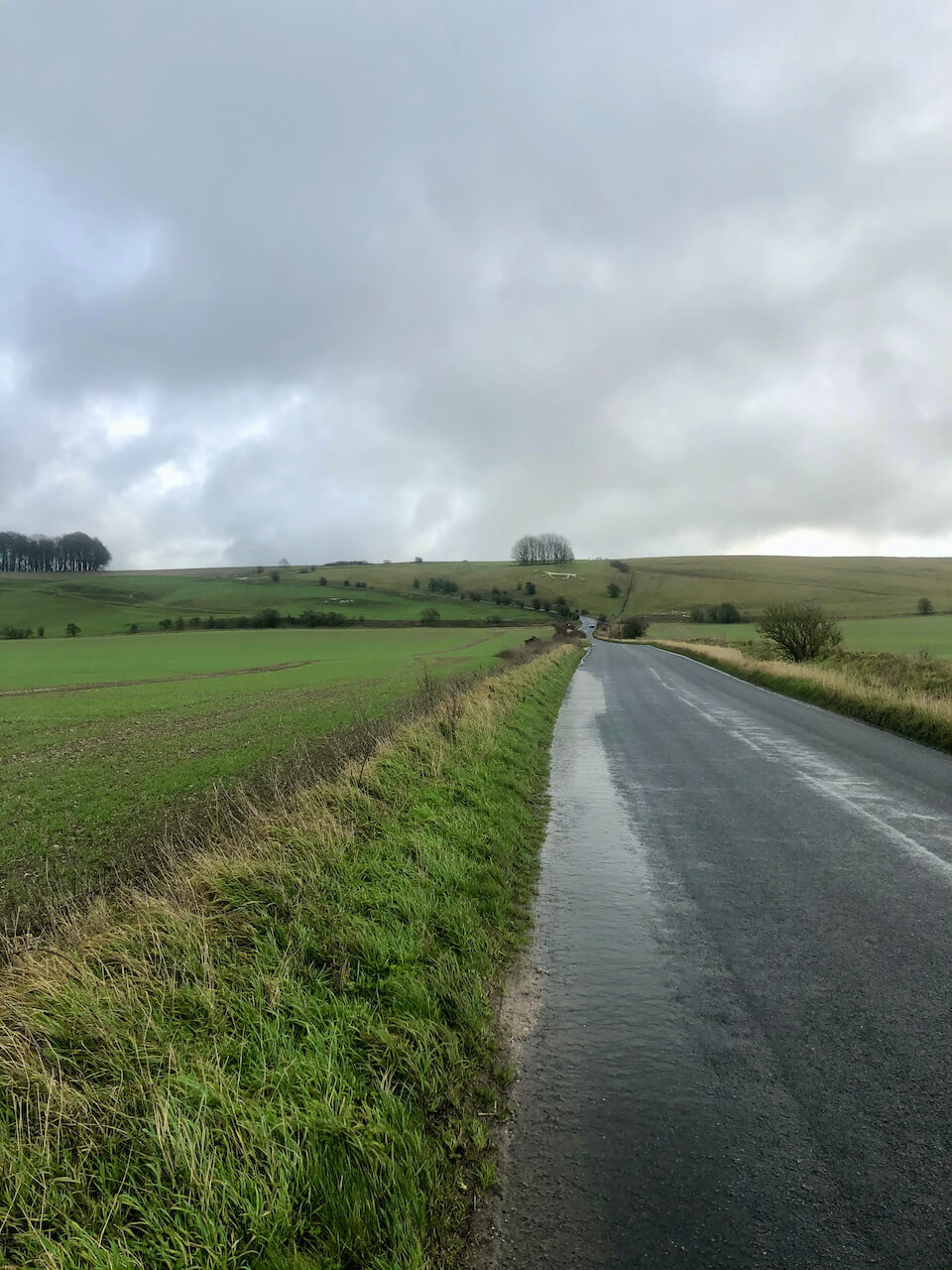
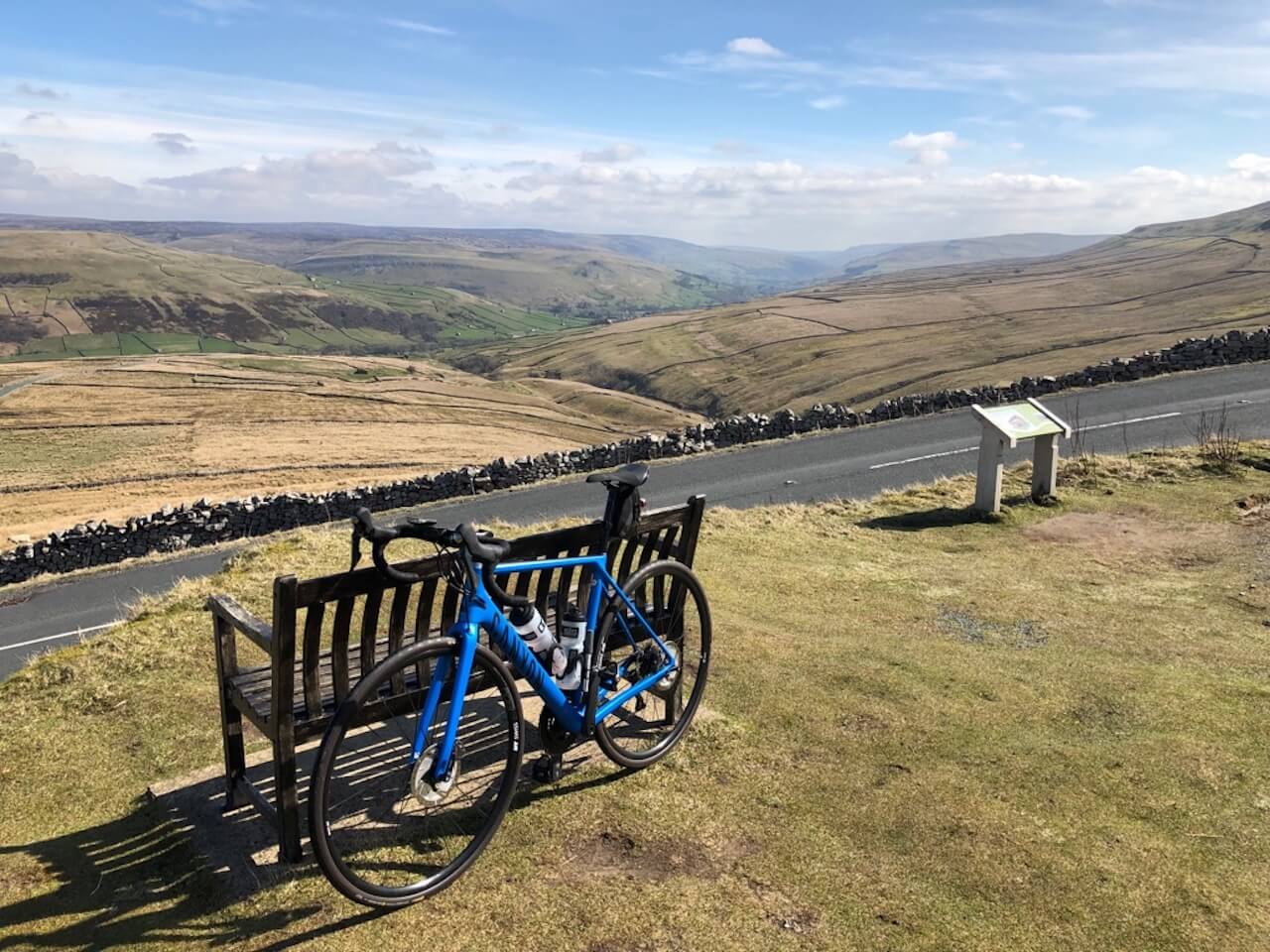
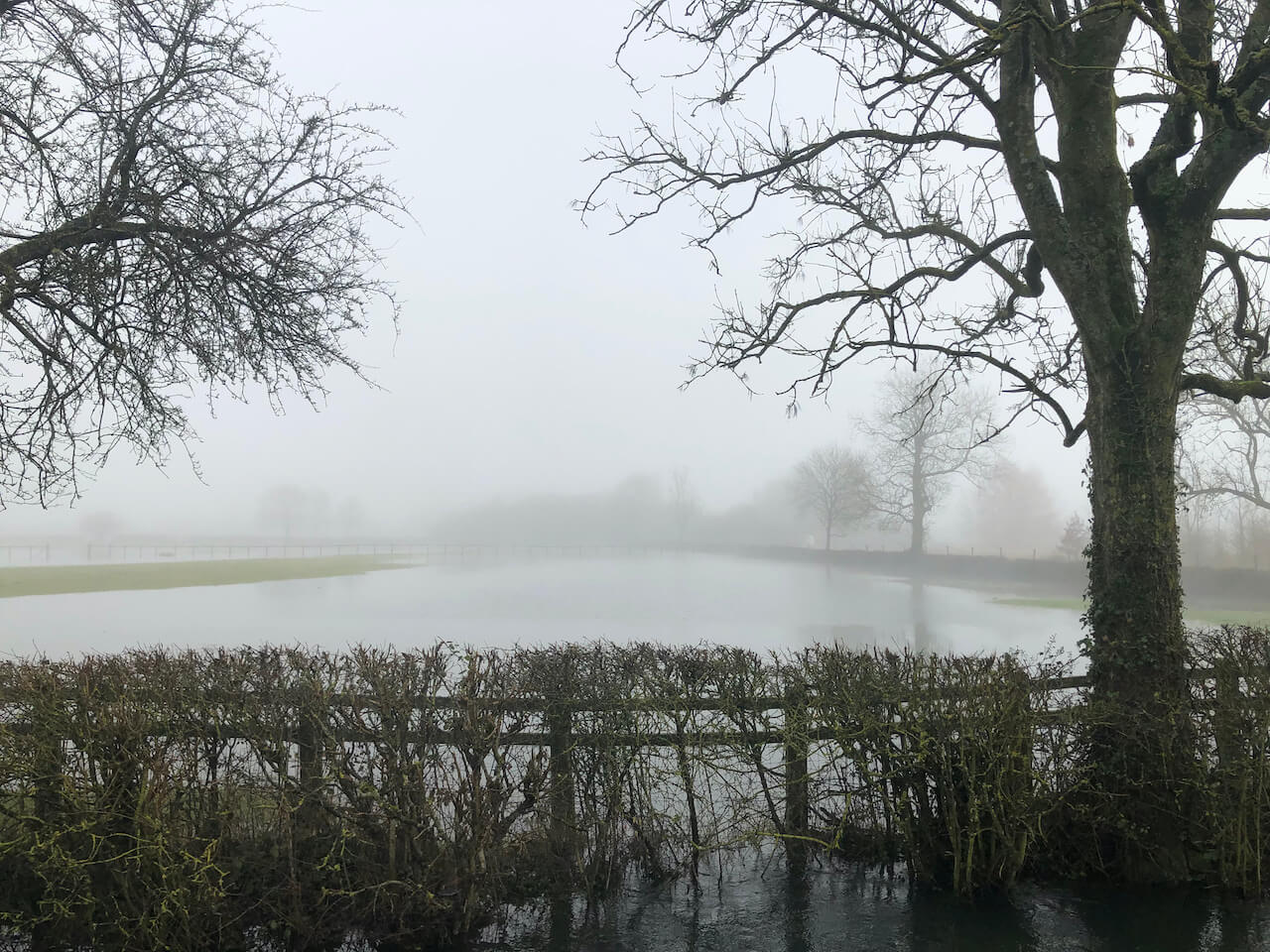
<p>This morning I set out on my weekend long bike ride. I had to do 3hrs 10mins followed by a 20min run straight off the bike. I've done this now a few times, so I thought it wouldn't be too much of a drama. How wrong I was.</p> <p>I neglected to have a proper check of the weather, which turned out to be a big mistake. It was one of the coldest rides I've ever done. Unbeknown to me, a cold snap from Scandinavia had hit the U.K, making this particular Saturday a chilly one. Add to that the wind chill and I was having a really bad time.</p> <p>I had my gloves on and luckily, I had taken a spare pair of thin running gloves, just 'in case'. I started the ride and within an hour I knew it was going to be a bad one. My toes had gone numb and my fingers were starting to go numb. I pulled over for my usual toilet break and popped on the spare pair. I now had two pairs of gloves on and double the air insulation. I should have been sorted, right...?</p> <p>Wrong. It helped for about half an hour, but by that point, an hour and a half into the ride, the cold had hit me hard. I couldn't feel my feet, never mind my toes, and my fingers were numb with next to no dexterity. It was at this point I made the worst decision I think I have ever made on the bike.</p> <p>I had planned my route as I normally do, on my little Garmin Edge. I was following it and turned down a small B road with a sign saying, 'Road Closed - Flood'. In my head, for some reason, I thought this doesn't apply to me, I'm on a bike. So, I carried on. First big mistake. I cycled down the lane and saw the reason for the sign. The fields either side of the road had flooded, but up to this point the road was fairly clear as it was on higher ground. The road then dipped for about 400 meters and in the dip was the 'flood'. I stopped and went through the thought process of whether or not to continue.</p> <p>Not realising how deep it was, I decided to carry on regardless, I'd come this far, right? I think I got about 4 pedal strokes in before I nearly fell off. Quickly unclipping, I managed to get off the bike. The water was up to my knee by this point. So, I thought: what to do again? I was already wet, my feet were already cold and numb, and I'd come this far, right?</p> <p>Again, I carried on. I was completely off the bike now, pushing it through the 'flood'. The water ended up halfway up my thigh at the deepest point. At this point I didn't really realise how cold I actually was. I got back on the bike and carried on.</p> <img src="/images/postPics/puddle.jpg"> <p>You'll never believe me, but round the next corner, there was another 400 meter stretch of 'flood'. At this point a tractor was making his way through. I pulled the bike to the side, let him pass and contemplated life. I have no idea what he must have thought. I now had a decision: carry on through the next 'flood' or go back through the last 'flood'. I had come this far, right?</p> <p>I got through the two stretches of water and carried on, trying to act like nothing had happened. It did, however, have a big impact on me. I still had an hour to go. Because I was so cold, I hadn't really been drinking or eating. I had to stop to get an energy bar out of my pocket because my hands were so cold and numb. All I wanted to do was get home now. I had made the worst decision ever going through the water.</p> <p>I had to keep stopping to shake my hands out to try and get a little blood into them. They were so numb it was becoming dangerous. I couldn't feel the brakes, I couldn't feel the gears to change them and I didn't know if I was gripping the handlebars properly. The second pair of gloves were not doing what they had done before.</p> <p>I’d had enough and ended up stopping to set my Garmin to take me the quickest way home. I think it got confused and it ended up adding an extra 3 miles onto the ride. This just added to my woes. I did, finally, make it back in 3 and a half hours. On the way back, while constantly shivering and praying I was gripping the handlebars properly, I decided to give the 20min run a miss. I needed to get warm.</p> <p>When I did get back, it was emotional. My hands had no dexterity, and it felt like it took an age to remove my shoes and clothes. Parts of my feet had actually gone blue. I did eventually get warm enough to write this post, but it took a long time. Looking back, lessons will be learned from this ride: study the weather and do not ride down closed roads.</p>
View PostThe Longest Turbo Session
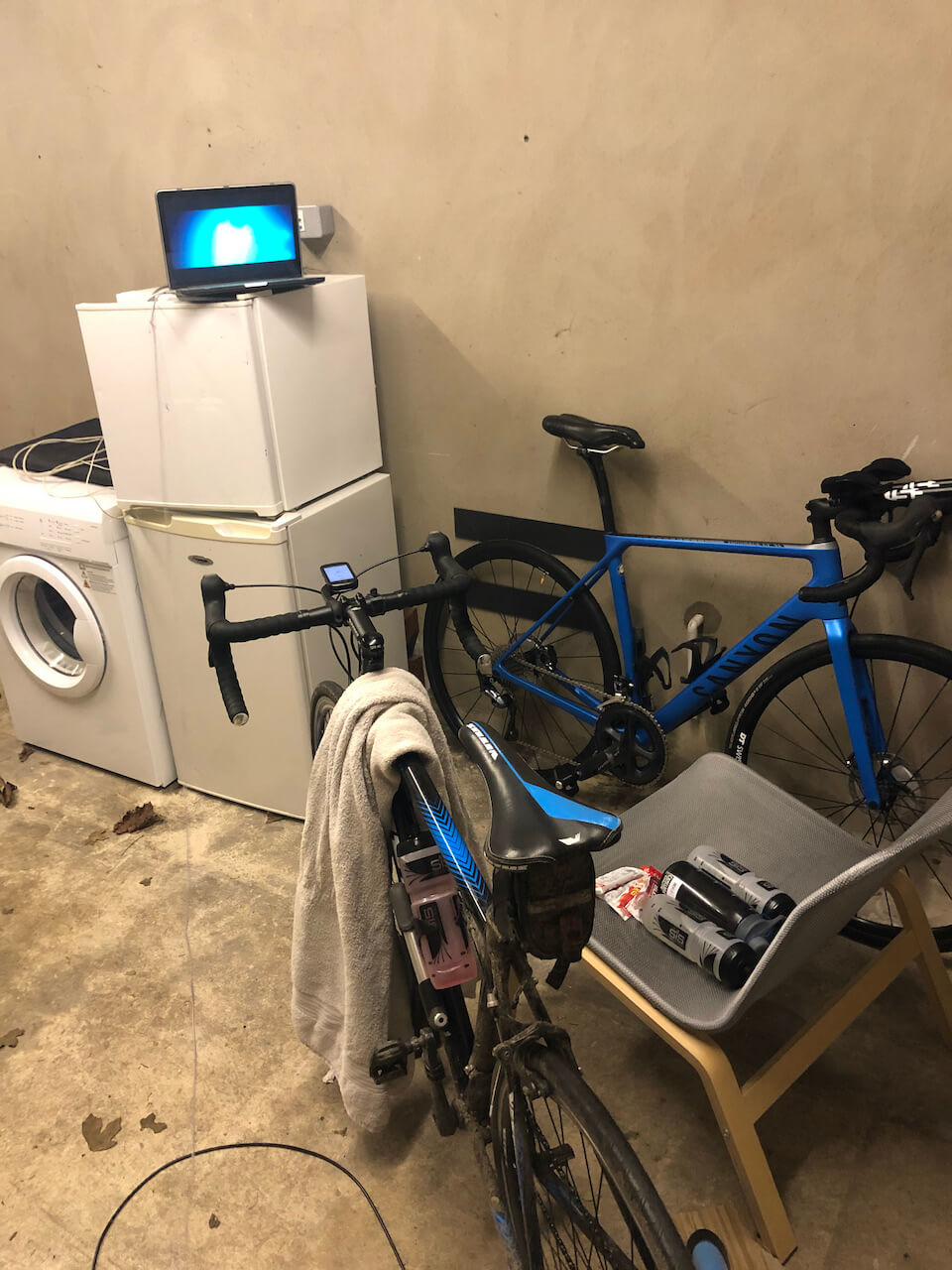
<p>Training has been going steadily. I am now back home in Northern Ireland and things seem to be looking up. I am able to eat well again and I have my setup at home back. There is more space in the garage and the front room for the strength and conditioning sessions, and I have the turbo constantly set up, which stops a lot of faffing about.</p> <p>When I got back to NI, I had to isolate due to the Covid travel restrictions. I had planned it so I would get out of isolation on the Saturday, ready for the long ride. I had a 3 hour 20-minute ride followed by a 20-minute run. I am not a lover of the turbo trainer and use it for ease and convenience. I am good up to about an hour and a half on the turbo, but anything over that really starts to become uncomfortable.</p> <p>The turbo has no give—it’s rigid and doesn’t move. When you’re out on the road, the bike moves and you’re constantly making micro adjustments to keep balance, and you can come out of the seat whenever you want. I know you can do this on the turbo as well, but it’s just not the same. My backside starts to hurt after a while and there is nothing to take your mind off the fact that you’re stationary in a garage. At least on the road you have a goal—you’re going somewhere and there is normally beautiful countryside to look at.</p> <p>On the Saturday in question, I woke up and read the weather. I was not making the same mistake as I did a couple of weeks ago. The readings were dire—it was cold with the potential of snow and high winds. Not cycling weather. I was going to have to do the session on the turbo after all…</p> <p>To keep my mind occupied, I set the laptop up with a film to watch during the mammoth session. The film of choice: Titanic on Sky Go. It’s a 3-hour film and good enough to keep me stimulated for the ride. I set up in the garage and started. The first hour wasn’t too bad. At the hour point, I got off to take my standard toilet break. As I walked outside to get back to the house, it was white with snow. I had made the right choice by not going out.</p> <img src="/images/postPics/turbo_legs.jpg"> <p>I plodded on for the next hour and twenty minutes, Titanic doing a good job of keeping me focused. At this point I decided to have another little break. I needed to get off and have a little walk around. I only took 30 seconds or so, but it was enough. I got back on and struggled through the last hour. It was really uncomfortable—I had to keep coming out of the seat just to give myself a break from sitting.</p> <p>I managed through the last hour and then went for the 20-minute run. I’m so glad I suffered through the turbo trainer because it was bitter cold outside. My hands were numb after just 20 minutes; I would not have been able to survive for three hours out on the bike.</p>
View PostFitness Test 2
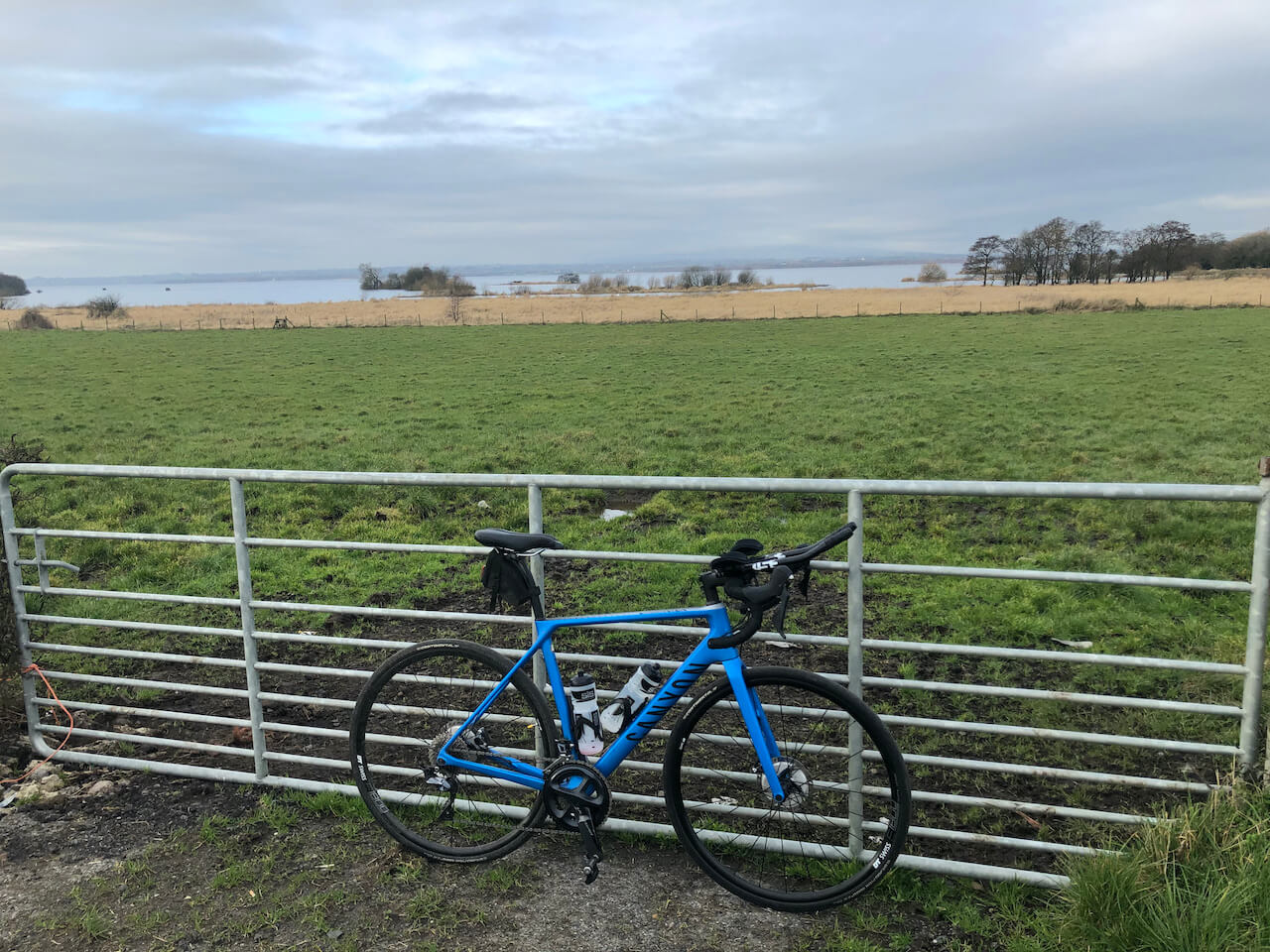
<p> I'm now near the end of February and I have just completed my second test week. The training program I am on goes through a cycle of hard training, a rest week, hard training, then a rest combined with a fitness test week. I have currently just done the fitness test combined with the rest week. The amount of time actually training has dropped from 11 hours last week to 7 hours this week. I just have to complete the three fitness tests again. </p> <p> The constant fitness tests this program makes you do are a real benefit. The threshold heart rates, pace, and power are put back into Training Peaks and it automatically updates the relative zones for each training session. This means I am training at my optimum capability. So, when the session wants me to do some easy zone 2 work, I'm actually in zone 2 as opposed to a zone that the fitness test in week one gave me. It basically means the training changes with my fitness levels. </p> <p> You're most likely wondering how I did. After the first week disaster, I was hoping for a significant improvement. I did not get it. I have improved but not by the margin I was expecting. It's the first time I have done this training plan, so maybe it was a bit naïve of me to expect anything at all. </p> <p> The first test at the beginning of the week was the functional threshold power (FTP) test on the bike. To keep it consistent with the first, I used the turbo trainer. Again, the test started off with a 10-minute warmup, followed by the 20-minute FTP test, then a cool down. In total it was only about 45 minutes long. It was hard, really hard. I mean, the test is a maximum effort, so I don't know why I was expecting anything else. The results came in and I had improved by 5 watts for the FTP: 251 watts up from 246 watts. I had also improved by 5 bpm for my threshold heart rate, from 166 to 171 bpm. </p> <p> My next test was the swim. As we know, with the lockdown restrictions, all the swimming pools in England are closed. There is nothing I can do about this, and worrying or stressing over it doesn't help anyone. Because this was a combined test week and recovery week, instead of the swim I just went for a really easy, steady-state run. </p> <p> My last test was the run: a 5-minute warmup, followed by a 30-minute best effort, then a 5-minute cool down. I had not done the run test in the first week and just taken the results from my marathon training I had done at the end of last year. I'd actually taken my thresholds from the last fitness test at the end of the marathon training, when I was the strongest. Therefore, when I did this test, there wasn't much improvement. I improved by 1 second for the threshold pace, from 6:58 to 6:57 minutes per mile. For the heart rate, the results I got I thought were unreliable. I was getting far higher results than I've ever got before. Due to this, I am keeping the threshold heart rate for the run the same at 176 bpm. </p> <p> One real positive from the fitness/recovery week was the Sunday ride—I actually had nice weather. The wind was a little high, but it always is. Other than that, it wasn't too cold and the sun was shining. I really enjoyed the ride and finished wishing the ride was longer. With it being a recovery week, the ride was only 2 hours long. I felt like I could have easily doubled that. </p> <img style='float: none;' src="/images/postPics/lough_works.jpg"> <p> That's the fitness tests done for a good few weeks now. Not really a great improvement. I am confident they are accurate though—more accurate than the test I did in week one. So hopefully now I can start to see a steady improvement. Only time will tell. </p>
View PostWho Knew Food Was Important?
<p>Training has been going steadily over the last couple of weeks. The weather has improved slightly, which has meant more outdoor rides and less time on the turbo trainer. Swimming pools are unfortunately still closed, but I’m hopeful they will open soon. On the plus side, I have recently gained access to gym equipment and a rowing machine, making my strength and conditioning sessions more productive.</p> <p>My Saturday long rides are now three and a half hours long, and I’m really enjoying most of them. I have done one or two with sore legs, which made them a bit of a slog, but overall I’m enjoying the rides. With the weather being a bit kinder, I am able to take in the scenery and just enjoy myself. I am training in the same area as when I prepared for the Hamburg Ironman in 2019 and am currently covering many of the same routes. Over the next month or so, I aim to discover some new routes and do a bit of exploring. The Mourne Mountains are about an hour's drive from me, and I hope to explore the hills there.</p> <p>As the swimming pools have been closed, I have been substituting the swims with a run and a bike session each week. I now have access to a rowing machine, and I plan to replace the swims with rowing sessions. My aim is to mimic the swim sessions on the rower as closely as possible. The idea is that it will give some of the muscles I use for biking and running a rest while still working my cardiovascular system in a slightly different way. I also hope it will mix up the sessions and prevent boredom from setting in.</p> <p>Another positive development over the last month has been the impact of good food. If you have read my older blogs, you will know that at the beginning of the year I had to work away and ate a lot of takeaway food—a poor diet for someone training for an Ironman. I am now back on healthier food, and the results are impressive. I feel more energetic, more alert, have lost the extra kilograms I gained while away, and feel stronger overall.</p> <p>During the first lockdown in March 2020, I realized I had put on too much weight and wanted to do something about it. I was the heaviest I had been in years at 92kg, and that didn’t sit right with me. I listened to a podcast by Dr Chatterjee called <a href="https://drchatterjee.com">Feel Better Live More</a>. Specifically, I listened to podcast number <a href="https://drchatterjee.com/episode-29-amelia-freer-on-what-we-need-to-eat/">#29</a> with Amelia Freer. She offered simple tips for healthy eating, which I understood as: stop eating sugar, eat far less bread and pasta, and avoid processed foods. She also has a book that provides more detail:</p> <img src="/images/postPics/amelia.jpg"> <a href="https://www.amazon.co.uk/gp/product/B00LKWWFAU/ref=ppx_yo_dt_b_d_asin_title_o09?ie=UTF8&psc=1">Eat. Nourish. Glow. By Amelia Freer</a> <p>After reading the book and listening to the podcast, I was motivated to try this new lifestyle. I did not want it to be a temporary diet, as diets imply an endpoint after which you return to old habits. I wanted a permanent life change—and that is what it became. I still follow the same style of eating today. I cut out sugar and milk in my coffee, stopped eating bread and pasta, and mostly eat whole foods.</p> <p>I still eat meat, but it is no longer the main focus of a meal—it has equal importance with the rest of the plate. Some meals contain no meat at all. I have realized that nutrients are what truly matter, and a high nutrient-to-calorie ratio is very important, especially for someone like me training 12+ hours per week. Nutrients help maintain stamina and strength while aiding recovery. Meat is low in nutrients but high in calories, so there are better alternatives. That said, I enjoy meat and will continue to include it in my diet.</p> <p>Since March 2020, when I weighed 92kg, I have been following this lifestyle and now consistently weigh 80kg. My weight fluctuates slightly depending on the training load. However, I lost the majority of this weight without additional training—I simply changed my diet while maintaining the same training routine, and the weight dropped off naturally. I used to think that weight loss was mostly about training; I was very wrong.</p>
View PostCan Anyone See the Wind?
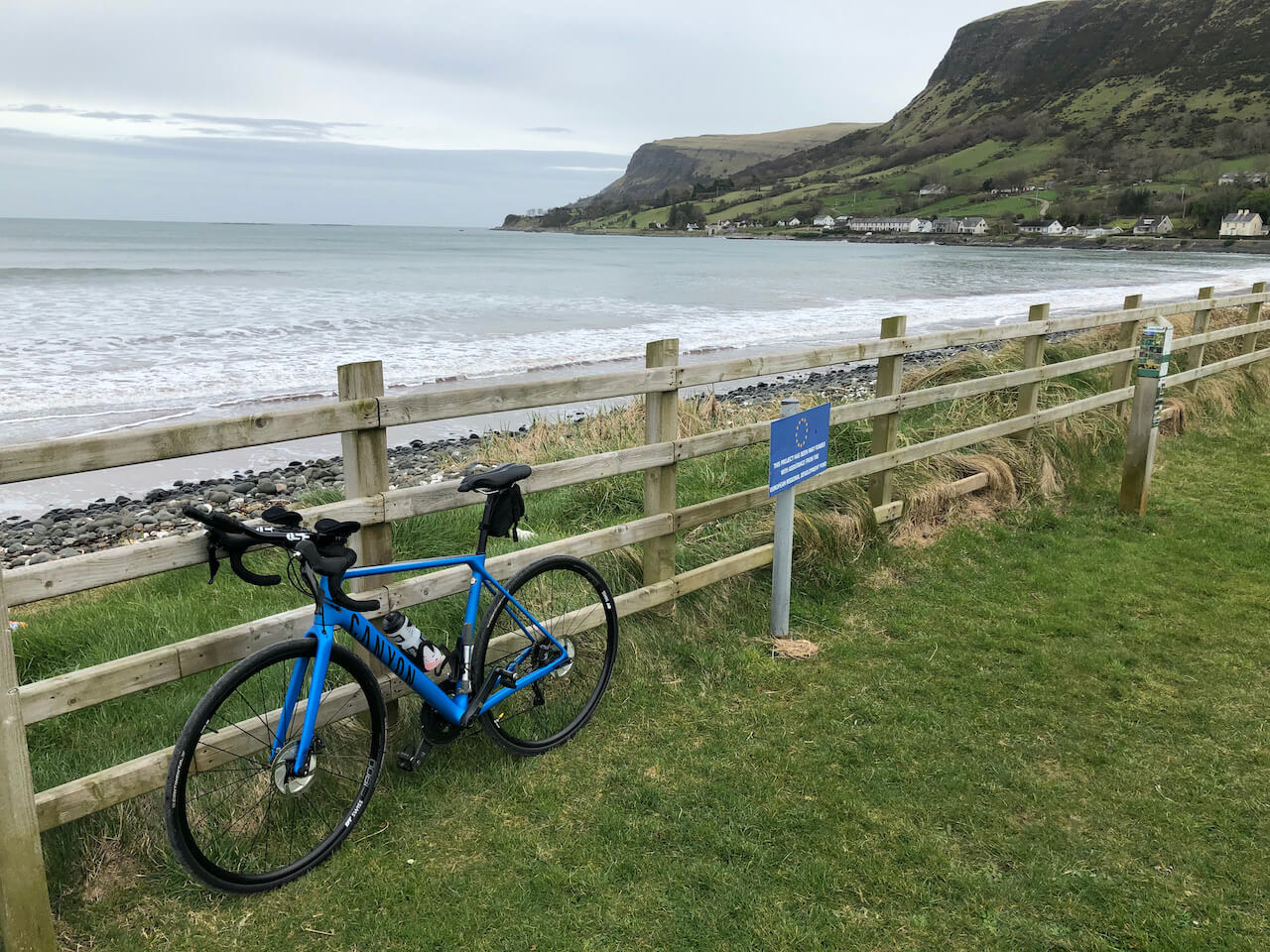
<p>Some positive news in this week’s blog: I now have access to a swimming pool! Due to my line of work and the requirement to keep fit, I have been given access to the swimming pool on site at work. I have to book in advance, and only six people are allowed in the building at one time, including the two lifeguards. But I have a swimming pool!</p> <p>I went for my first swim on Friday and had to decide what session to do. I went back through my training and chose a recovery swim from a couple of weeks ago. It consisted of a warm-up, a pyramid of freestyle and pull combinations, and a cool-down—about 2 kilometres in total. It was so good to get back in the pool; it broke up the monotony of just biking and running. My swim fitness has suffered, though: I could comfortably sit at 1 minute 50 seconds per 100 meters, but on Friday I swam at an average pace of 2 minutes per 100 meters. I hope this will improve as I work on my technique with drills and rebuild my swim fitness.</p> <p>My plan for swimming now is to do another week of ‘acclimatisation’, followed by a fitness test, then try to jump back into the sessions currently set out. I will assess the impact this has on me and adjust from there. But it’s exciting that I now have a pool! I still have access to the rowing machines and managed to do a few sessions instead of swimming over the last couple of weeks before the pool became available. The sessions were hard—maybe a little too hard—and I developed some quite big blisters on my hands, which are still uncomfortable. I am glad I don’t have to deal with them anymore.</p> <p>In my last post, I mentioned that I wanted to get out and explore. So, I decided to do one of my favourite rides from 2019. This is a ride I have only done once before, and I thought it was a good place to start. The route begins with 20 miles of rolling hills and a lot of climbing, followed by a fast 5-mile downhill section, and then a 22-mile flat ride along the coast—a really rewarding ride.</p> <img src="/images/postPics/coast.jpg"> <p>The only problem this time was the wind. Last time, the 22-mile flat section along the coast was fast and really rewarding. This time, it was a hard slog against the wind. On that road, I can usually average 20 mph without trying. This time, with the wind, I averaged 14 mph if I was lucky. I know wind is part and parcel of cycling, but it spoiled what had been a great ride. It was soul-destroying and took all the fun out of it for me.</p> <p>The session didn’t get any easier after the ride. I had a half-hour run planned, which is usually fine, but on this occasion, after 20 minutes, I got stomach cramps and urgently needed the toilet. With COVID restrictions, no public toilets were available, and I was half an hour away from home. Don’t worry—I didn’t leave a deposit in a bush; I just had a very uncomfortable ride home. I made it back, eventually.</p> <img style='float: none;' src="/images/postPics/larne_downhill.jpg"> <p>This bout of stomach cramps, however, was the start of a fever that wiped me out for 48 hours. I had aches and pains all over, cold sweats, and a blinding headache. Maybe a bit of flu? Whatever it was, it made me miss my long run on Sunday and, annoyingly, my first swim session. I was just not up to it. I did do a few sessions later in the week that, in hindsight, I maybe should have skipped. But training is training. All is well now, and I am back in the full swing of things.</p>
View PostThe Proof is in the Pudding

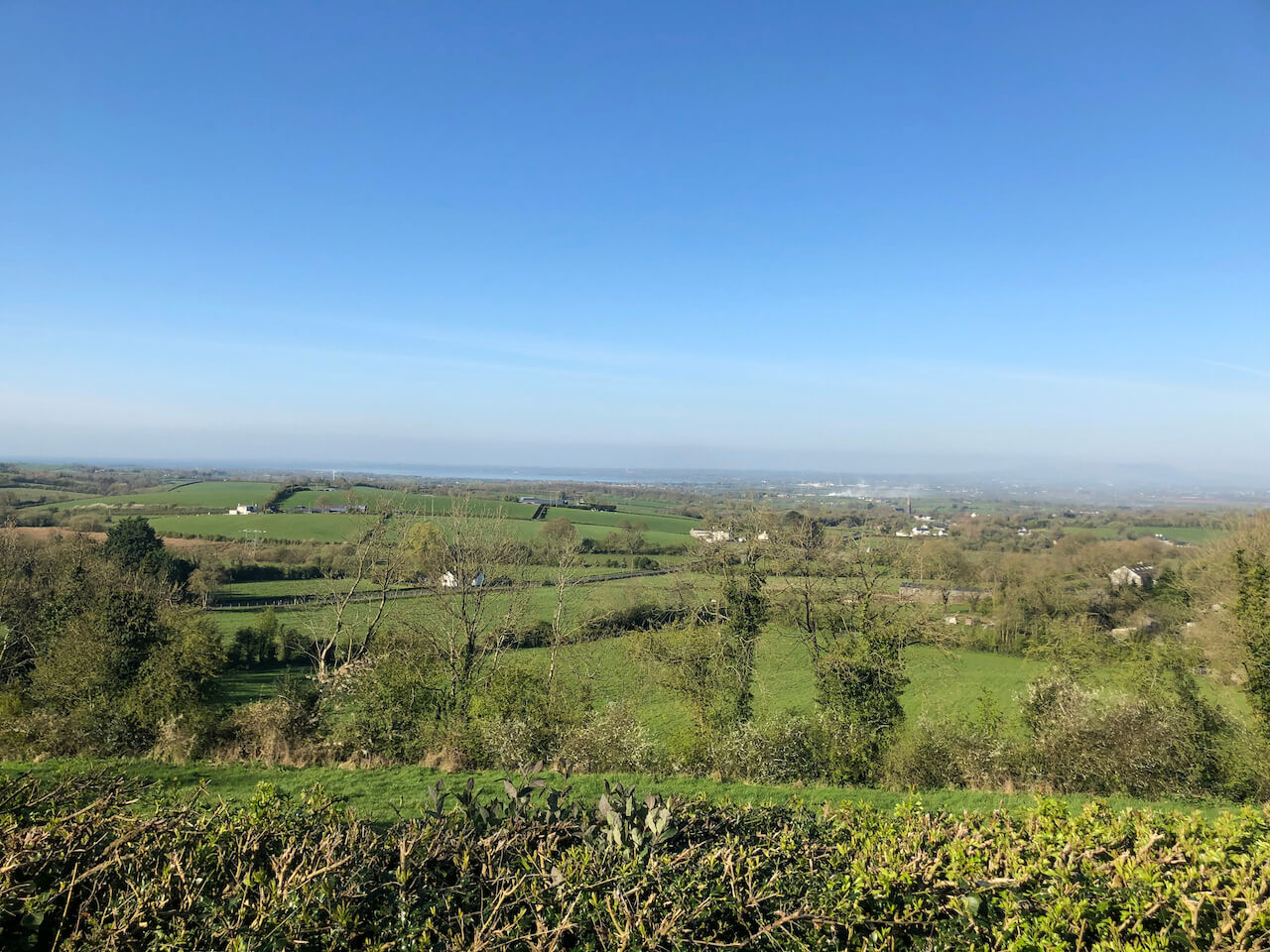
<p>Two weeks have gone by since my last post, and I am finally starting to see some gains. I can now physically see changes in my body, my training sessions are improving, and I’ve just completed my third fitness test week, which was a great success.</p> <p>In my last post, I mentioned that I had access to a swimming pool. The first full week I had access… it was shut. Apparently, there weren’t enough lifeguards. On the upside, I was able to do some swims this week, which was a big relief. The timing was actually perfect, as this week was both a recovery and a fitness test week. The first swim session was an easy recovery session, which allowed me to find my stroke again. The second session was a fitness test, giving me a great opportunity to reassess my swimming zones so that the next sessions should be more beneficial.</p> <p>These fitness tests occur every six or seven weeks and are a great way to keep my training aligned with my personal fitness level. The tests assess my threshold pace, heart rate, and power. These figures are then used to update my zones. If the numbers improve, the zones get harder, and vice versa.</p> <p>The first test was the threshold running test. This consisted of a 30-minute best effort with a warm-up and cool-down. Last time I did this in February, I was a little disappointed, improving my threshold pace by only one second. I hoped for a much better result this time.</p> <p>I set out to complete the run fitness test. I started the 30-minute best effort feeling strong, with my pace close to 6-minute miles. After 20 minutes, I was still close to 6:30-minute miles. I was more than happy with this and felt I could maintain, if not improve, towards the end. Then disaster struck: I got stomach cramps and an overwhelming urge to go to the toilet. I soldiered on as best I could, but I could see my pace dropping. With about two minutes to go, I stopped the test. I was nearly walking, and it was not a true reflection of my abilities.</p> <p>The cramps ruined what could have been a strong effort, but I decided to accept the results as they were. This was a recovery week, and repeating the test without knowing how much I could improve didn’t seem worthwhile. Training has been hard recently, and I needed the rest.</p> <p>Even with the hiccup, I could see the effort paying off. I improved my threshold pace from 6:57 to 6:41 per mile—a massive 16-second improvement. I am over the moon with this. I had felt my run sessions were becoming a bit easy, and this new setting should keep me on my toes. I also recorded a threshold heart rate of 175 bpm, similar to before. Overall, a great success for the first test.</p> <p>Things got even better with the cycle threshold test. This was a 20-minute best effort with a warm-up and cool-down. I had considered doing the test on the road to get an idea of my power outdoors, but I opted for consistency. I had done previous tests on the turbo trainer, so I did this one on the turbo as well.</p> <p>I felt really strong for this test, having taken a full day off beforehand. I started conservatively but quickly realised I was feeling very good. Before I knew it, I was hitting wattages above 300. I didn’t even think I was capable of this. I managed to maintain power around 280–310 watts. The last five minutes were very hard—likely more psychological than physical.</p> <img src="/images/postPics/hillview.jpg"> <p>The results were in: I achieved a functional threshold power of 281 watts. This is a huge jump from 252 watts—an increase of 29 watts! As you can imagine, I am unbelievably happy. It is my highest FTP ever recorded!</p> <p>Finally, it was time for the swim. This test involved a 400-meter best effort, a 5-minute recovery swim, and then a 200-meter best effort, with a warm-up and cool-down. I wasn’t sure what to expect, having been disappointed with my January result. My previous goal had been to swim 400 meters in under 7 minutes, which I achieved at 6:59. I knew I could do better, though, and the only excuse for January’s result was being a little hungover from New Year.</p> <p>I arrived at the cold pool early in the morning and did the test. To be honest, it was tough. I pushed as much as I could and really wanted to improve on my December performance. The effort paid off: I swam 400 meters in 6:41 and 200 meters in 3:13. This was more like it. I am definitely fitter now than in January, and it shows the impact alcohol can have on performance. Considering I hadn’t done any swims since December, I am content with the result.</p> <p>My plan now is to jump straight into the planned swim sessions using the zones determined by this week’s test. I will see how it goes, and if it becomes too hard or impacts my other training sessions, I will lower the intensity and gradually build it back up. I will, of course, keep you informed.</p> <p>Test week is now complete. I will see how I cope with the new zones over the next couple of weeks. Overall, I am really happy with my improvements. The proof really is in the pudding!</p>
View PostAll the Gear, No Idea
<p>With Covid restrictions easing across the U.K., I have managed to book myself onto a standard triathlon. I plan on using this as a training race, just to make sure I remember how transitions work, get used to the race environment, and get accustomed to the competitive open-water swim. However, my current wetsuit has a hole in the armpit, and my tri-suit has seen one too many races. With this in mind, I have decided to splash out and buy new ones. But what do you buy? There are so many suits out there.</p> <img src="/images/postPics/sunburn.jpg"> <p>I started with the tri-suit. I was looking in the price range of £100–£200, which I assumed would give me a decent suit. My current tri-suit is a 2XU armless suit. This is great—no chance of chafing—but the issue I had was sunburn. In Hamburg and Bolton, during my last two Ironmans, I suffered from sunburn. Bolton gave me a horrible vest tan that took an obscene amount of time to fade, and in Hamburg, I got some very nasty blisters from sunburn.</p> <img src="/images/postPics/trisuit.jpg"> <p>I’m guessing, like most people do, I started by checking multiple lists of the best triathlon suits. I really like the 2XU suit and was drawn toward that brand. I looked through the lists and narrowed my options down to three, based on reviews from different sites and user feedback (and, admittedly, a little to do with price…). The first was the <a href="https://www.wiggle.co.uk/2xu-performfullzip-sleeved-trisuit-1?utm_source=affiliate-window&utm_medium=affiliates&utm_campaign=Skimlinks&utm_term=Skimlinks&utm_content=Sub+Networks&sv_campaign_id=78888&sv_tax1=affiliate&sv_tax2=5425%7C5509%7C159115&sv_tax3=Skimlinks&sv_tax4=220triathlon.com&sv_affiliate_id=78888&awc=1857_1619280633_cb6a1ea79f2cf43066e1b586c38ca773">2XU Perform Suit</a>, the second was the <a href="https://mytriathlon.co.uk/zone3-lava-short-sleeve-trisuit-mens-2020/">Zone3 Lava Suit</a>, and the third was the <a href="https://www.wiggle.co.uk/2xu-comp-full-zip-sleeved-trisuit-2?sku=103258429">2XU Compression Suit</a>. I’ll note that pricing at the time I bought mine was different from now. I’d read that the 2XU Compression Suit was a good choice for long-course distances, so combined with the price at the time, I decided to go with the Compression Suit. Sizing can be tricky with these suits. I went for a medium and, luckily, it’s a really nice fit.</p> <img src="/images/postPics/wetsuit.jpg"> <p>Next was the wetsuit. This was harder—where do you even start? The price brackets are budget (up to £250), mid-range (£250–£500), and top-end (over a grand). I browsed all ranges and found I was best suited for the mid-range. My current wetsuit is a Zone3, which I really like—it gives good buoyancy and is comfortable. The suits I initially wanted were a bit out of my price range. I looked at the <a href="https://www.wiggle.co.uk/huub-varman-35-wetsuit?utm_source=affiliate-window&utm_medium=affiliates&utm_campaign=Skimlinks&utm_term=Skimlinks&utm_content=Sub+Networks&sv_campaign_id=78888&sv_tax1=affiliate&sv_tax2=5425%7C5509%7C159115&sv_tax3=Skimlinks&sv_tax4=220triathlon.com&sv_affiliate_id=78888&awc=1857_1619281688_e49eb1630d6c90dfbe948a5841d36556">Huub Varman Suit</a> and the <a href="https://www.sigmasports.com/item/Orca/38-Wetsuit/LS3S?utm_source=google&utm_medium=base&co=GBR&cu=GBP&glCountry=GB&id=1016205">Orca 3.8 Suit</a>, but in the end I went with the <a href="https://www.wiggle.co.uk/zone3-mens-aspire-wetsuit-1?sku=101831606">Zone3 Aspire Suit</a>. The price was right, it had good reviews, and I was impressed with my last suit from the same brand. Again, sizing was tricky—I tried medium, medium tall, and medium large. They were all close, but after research I chose medium tall. Luckily, it was the right choice—it’s a snug fit, and I’m happy with it.</p> <p>I’m not going to lie—this week has been tough. Going from a recovery week into a full-on week with swimming, which I’m not used to, hurt. I decided to pick up the swim sessions from the plan as they are, without any build-up. This may have been a mistake—the two sessions I had this week were hard. I also got called in for my Covid vaccine, which absolutely knocked me for six, making the weekend bike and run much harder than they should have been.</p> <p>The first swim session this week was more of an endurance session. I covered 3.4k, but the last couple of 200-meter efforts were in Zone 3. This caught me off guard after a much longer session than I’m used to. The second session was a threshold session. It was shorter at 2.4k, but the main set was all in Zone 4. This was tough. I plan to continue the swims as prescribed, hoping they get easier, while keeping an eye on performance in other areas to avoid negative effects.</p> <p>I got a phone call early this week for my Covid vaccine. I was actually happy about this, as it could make traveling easier. We are planning to travel to Estonia by air. With current travel restrictions and Covid regulations, I’m not sure what will be required to fly. I went for the vaccine on Thursday, which was good because Friday was my rest day. I needed it—I felt like I was hungover all day, with no energy. This carried over into Saturday.</p> <img src="/images/postPics/view.jpg"> <p>On Saturday, I was feeling a little better, but I had a 4-hour ride and a half-hour run to complete. I set off feeling slightly below my usual self. With about an hour left on the ride, my heart rate started to rise, and I felt really weak. This was not helped by the headwind on the way back. I had no power in my legs, pushing about 140 watts when I normally push at least 170 watts. It made for a miserable end to the ride. For the run after the transition, I just gritted my teeth and got on with it—it was only half an hour, after all.</p>
View PostWhat a Difference a Bike Makes...
<p>My training plan has given me a well-deserved rest week this week. Training has been ramping up, and the intensity is now starting to get hard. Finding the time to fit training sessions around work and home life is becoming slightly more challenging as the length of the sessions increases. The weekend rides are slowly transitioning from being really fun and enjoyable to more of a ‘let’s just get this over and done with’ attitude. So, a recovery week right now is ideal. But don’t get me wrong—I’m still training; it’s just that the length and intensity of the sessions have decreased.</p> <p>Some exciting news for me this week is that I’ve managed to get myself booked onto a couple of triathlons. I have an Olympic distance tri this weekend and a half-distance Ironman at the end of June. The Olympic distance tri is a 1500m swim, a 25-mile (40k) bike, and a 10k run. This will be my first Olympic tri, believe it or not, so I don’t really know what to expect timing-wise. I think I will be happy with anything under two and a half hours. The half-distance Ironman is a 1.2-mile swim, 56-mile bike, and 13.1-mile run. For my last half, I got 5 hours 28 minutes, so basically anything under 5 and a half hours, and I’ll be happy.</p> <p>For my long ride last week, I had a 4-hour 20-minute ride followed by a half-hour run. The only problem was that the weather was horrendous. If you have read my previous posts, you’ll know I did a 3-hour-plus turbo session due to weather a few months ago. The prospect of doing that again did not appeal to me at all. Due to this, I decided to brave the rain and wind and go out regardless.</p> <p>Things did not go well. Only 20 minutes into the ride, my chain came off and got stuck in the pedals. With the force I was pedaling, I managed to twist a chain link. With no tools to fix the issue, I tried to carry on—bad idea. Every time the twisted link came around, it forced a gear change. Essentially, the bike was unrideable. I turned around and nursed it home. This left me with the awful prospect of spending 3 and a half hours on the turbo, only this time I had nothing set up to watch.</p> <p>I got back quickly, transitioned to the turbo, and started the slog. I had been watching a TV series called ‘Humans’; luckily, this was all set up on the laptop, and all I had to do was press play. So, I sat there pedaling away for just over 3 and a half hours. I did have to get off and have a little walk a couple of times to give my rear end a bit of a rest. I really don’t know how some people manage this week in, week out. Staying on the turbo for that long is not for me, and I will not be doing it again—unless, of course, another situation like this comes up...</p> <img src="/images/postPics/turbo2.jpg"> <p>Luckily for me, my bike was just about to go in for a service, and I only had one short ride on my backup bike. But what a difference a bike makes! On the same route, I can easily average about 18 mph. On my backup bike, which is an entry-level bike, I could only manage just under 16 mph. This is one thing that annoys me about triathlon and cycling in general. If you are competing, the quality of your bike makes a big difference in performance. Take two people who have the same power output—one on my backup entry-level bike and one on my mid-range Canyon Endurance bike. The guy on the Canyon wins.</p> <img src="/images/postPics/trees.jpg"> <p>What this boils down to is money. It’s as simple as that. The more money you plough into your bike, the quicker you go. Two people with the same physical abilities can have vastly different results all because of the money spent on the bike. It’s not like running or swimming, both of which, for the most part, are based on physical ability. I hate it when I get overtaken by someone riding a top-of-the-range tri bike. Yes, they might actually be better than me, but the frustration is still there. What gets me even more is the fact that the bike is the longest part of the Ironman. Spend money to do better.</p>
View PostFirst Tri of the Year
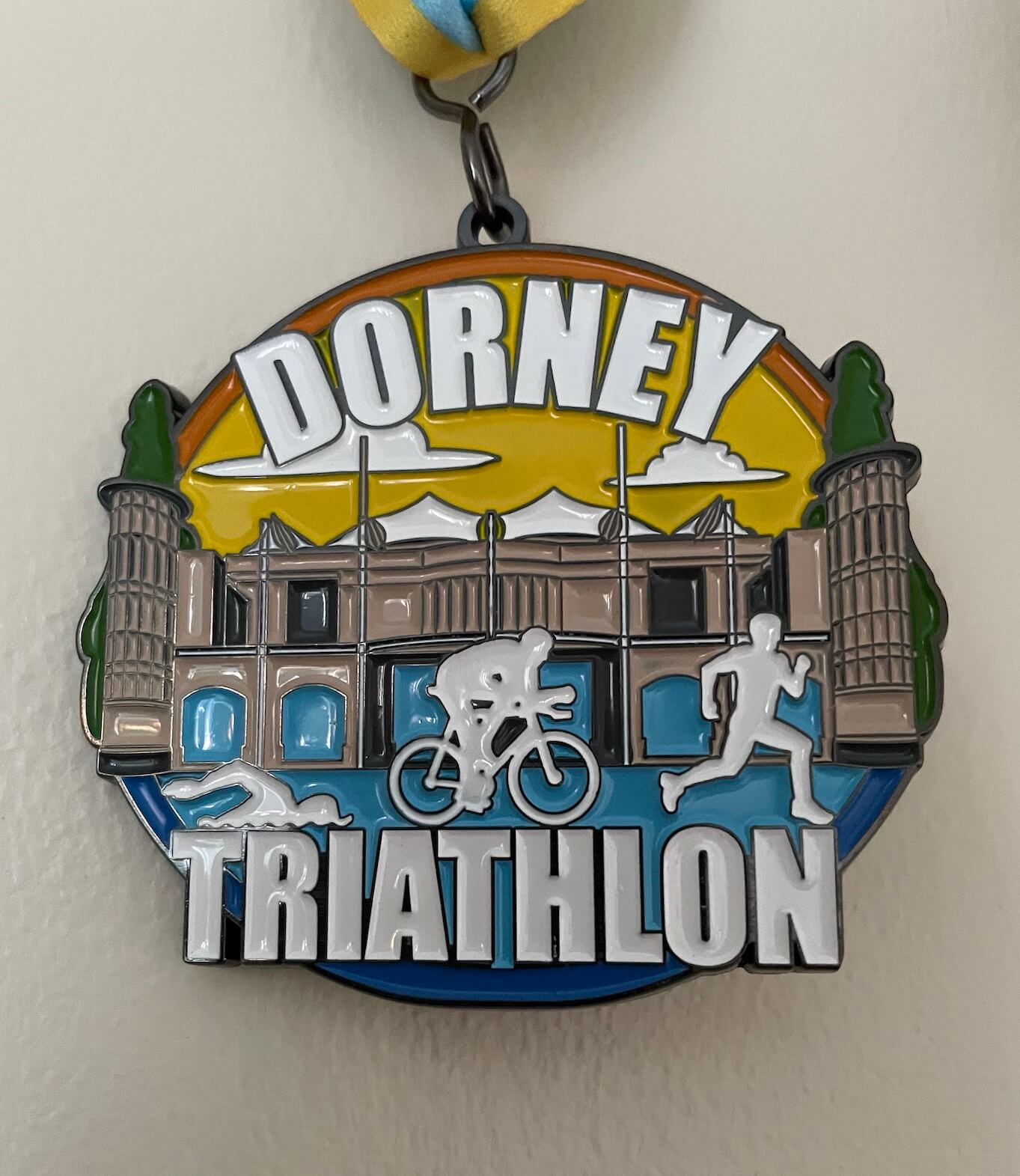
<p>I have finally managed to complete a triathlon, albeit with some Covid restrictions. I had signed up for the Dorney Olympic distance triathlon, which went ahead last week. Working out my possible timings for each discipline, I told myself I would be happy with any time under 2 hours and 30 minutes. So let’s see how I did…</p> <p>It was an early start—I had to travel an hour and a half to get to the triathlon and needed to be there around 6:30 in the morning. This meant an eye-watering quarter to five wake-up time for a quick breakfast and coffee, then the drive to Dorney. I had packed my things the night before. I have to visualise what I’m wearing at every stage of the race to make sure I don’t forget anything. My packing list for the triathlon was as follows:</p> <ul> <li>Wetsuit</li> <li>Swim goggles</li> <li>Swim hat (just in case)</li> <li>Swim ear protection</li> </ul> <ul> <li>Tri suit</li> <li>Race belt</li> <li>Talc</li> <li>Towel</li> <li>Vaseline</li> </ul> <ul> <li>Helmet</li> <li>Warm gloves</li> <li>Cycling gloves</li> <li>Cycle glasses</li> <li>Socks - pre-talc’d</li> <li>Cycle shoes</li> </ul> <ul> <li>Bike computer</li> <li>Water bottles</li> <li>Bike lights</li> <li>Saddle bag</li> </ul> <ul> <li>Carb drink</li> <li>Carb bar</li> <li>Gel</li> </ul> <ul> <li>Run shoes</li> <li>Run jacket</li> </ul> <p>Some of these items were extras, just in case they were needed.</p> <p>I arrived at the event, registered, and headed to the transition area. After the mandatory helmet check and verification of my race number, I was allowed into transition. I racked my bike and laid out my bike and run kit neatly next to it. I then visualised the way in and out of transition for the swim-to-bike and bike-to-run changes. I have done triathlons before and sometimes struggled to remember where to go or where my bike was in relation to the swim exit. So, it has become a ritual of mine to ensure I know. After this, I got my wetsuit on and was ready for the start.</p> <p>The 1500-meter swim was first. I had been told the water temperature was a chilly 13.5 degrees Celsius. Because of Covid, it was more like a time-trial start rather than a mass start, which was fine with me. It meant less hustling for position and more actual swimming. I slid into the water and set off. I swam really hard for the first 100–200 meters and didn’t realise how cold it was until it was too late. I was now out of breath from swimming too hard and experienced delayed shortness of breath due to the cold water. I couldn’t put my head under the water anymore. I started to panic a little, feeling an overwhelming desire to get out of the water.</p> <p>I took a moment to try and calm down and pretended to adjust my goggles. I got overtaken by the swimmer behind me. This didn’t help, and the panic worsened slightly. I stopped again, then switched to breaststroke. I got overtaken again. At this point, I had a little chat with myself. I’m a fairly strong swimmer; it was just a little cold, I was in a race, and I was doing breaststroke. What was I playing at? I resumed front crawl, starting with a breath every stroke, then every two strokes, and after a while returned to my normal rhythm of a breath every three strokes.</p> <p>There was a buoy rope line just under the water guiding the way. I latched onto this, and before I knew it, I was back at the finish. I swam hard. Open water is my favourite discipline, and I was a little annoyed at myself. It didn’t take long to regain my first lost position, and by halfway, I had retaken my second position. In the end, I overtook about four swimmers. I exited the water with a respectable time of 23 minutes 39 seconds.</p> <p>I came out of the water and straight into transition. My hands were really cold, so transition took a little longer than I wanted, but I made it out in a slow 3 minutes onto the 40k bike ride. I felt fairly strong for the first part of the bike. However, I had done my normal training the day before, which was a 4-hour 20-minute ride on a hard, hilly route. Due to this, after a while, my legs and hips started to feel the strain. I pushed on regardless, trying to maintain a steady pace. I kept my heart rate in Zone 2, sipped my carb drink at regular intervals, and didn’t really push too hard. The last thing I needed was an injury or to ‘bonk’. The bike route was not particularly interesting—it was eight laps around a loop near the lake. One positive was that it was fairly flat. I completed the bike in 1 hour and 7 minutes.</p> <p>Into transition for the final time, and my hands were still cold, which caused another delay. That’s my excuse anyway, and I’m sticking to it. I couldn’t do up my running shoes properly due to the lack of dexterity in my fingers. T2 took a time-consuming 2 minutes.</p> <p>Out on the final part of the triathlon, a 10k run. I felt surprisingly strong. I set off at a blistering pace (for me anyway) of 6:30 minute miles, then settled at 6:50 minute miles. The first 5k was fairly easy, but I dropped my energy gel from my tri-suit. This probably had a mental effect on me, because the last 5k was tough. I maintained the pace, but mentally it was pretty challenging. I finished the run in 40 minutes 8 seconds—extremely close to a PB for me.</p> <p>There are several takeaways from this event for my half Ironman at the end of June. First, I need to calm down at the start of the swim, get my bearings, and acclimatise to the water temperature. Second, I need to buy elastic laces, as tying shoes with cold hands is too hard and slow. Finally, I need to consider training the day before—either have a day off or make the route easier—so I can be fresh and get the most out of the race.</p> <img src="/images/postPics/time_sheet.jpg"> <p>My total time was 02:16:55. I was over the moon with this. Considering I had done a hard session the day before, this time was well under my expectations. It just goes to show that all that training is paying off!</p>
View PostThe hardest Week, Made Harder
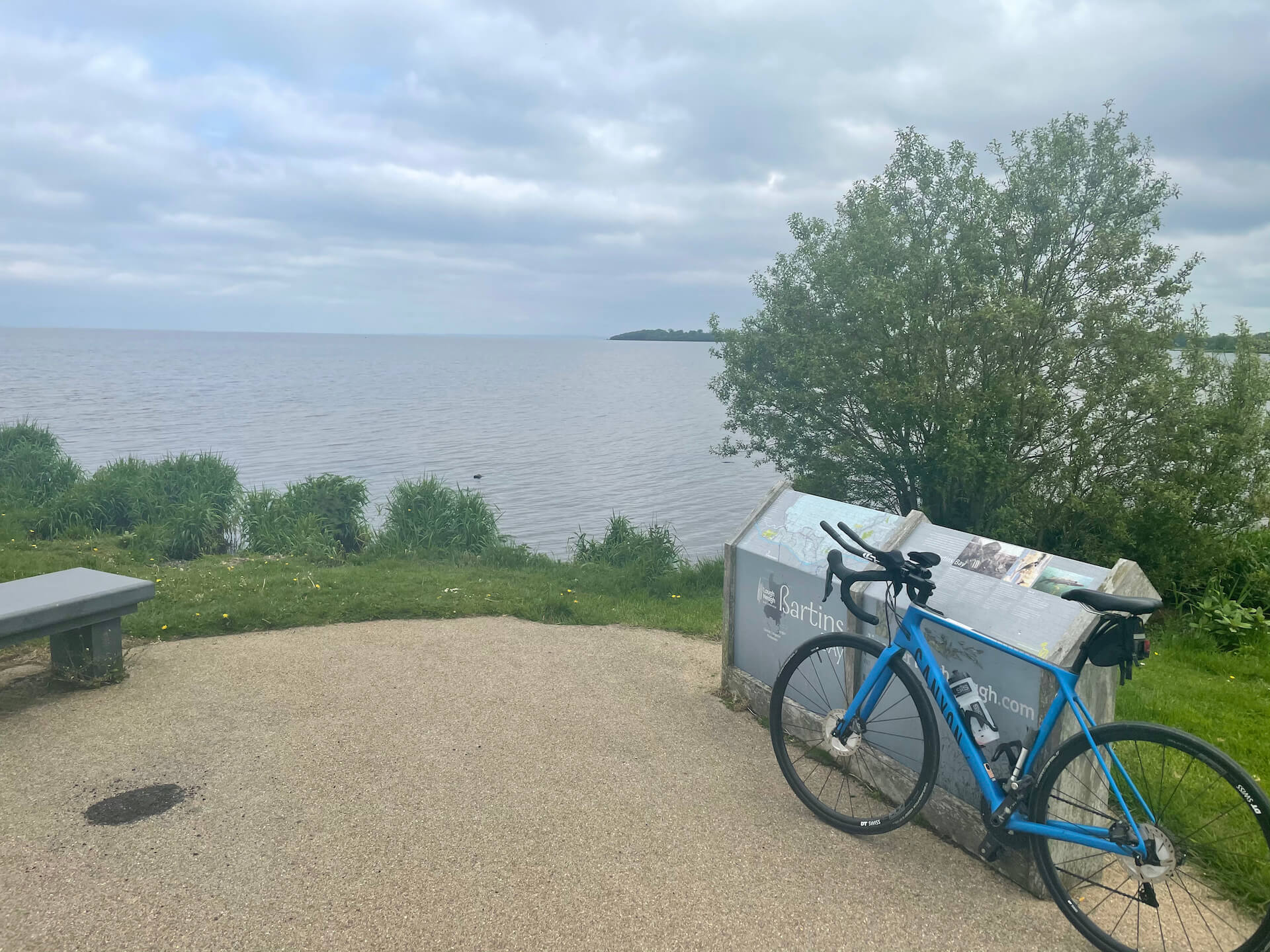
<p>After the success of my triathlon a couple of weeks ago, I am now facing the hardest week of the training plan. I chose a medium plan this time, so the intensity is not as high as in previous plans. The peak week I’ve just had was just under 15 hours in total. The difference with this plan, however, is the difficulty of the speed workouts during the week.</p> <p>The week started with a long pool swim on Monday and my first problem. It had just been a bank holiday, and all the local pools were closed. In the past, when this happened, I signed up for a trial at a gym with a pool. I would go to the gym, ‘try out the pool,’ and decide it wasn’t for me after completing my session. With Covid this time around, I found this harder than I expected. My next option was open water swimming. Luckily, the weather was ideal and the open water location I normally go to was open. I got my session in.</p> <p>After this came the two speed sessions—one on the bike and one running. Both of these have been hard in previous weeks, and this week was no different. The change, however, was that the sessions were now at their longest. The sessions were essentially long interval sessions with very little rest. I was working really hard on both the bike and the run for about 55 minutes each. These sessions were tough. Towards the end of both, you could see from the power/pace output that I was struggling to maintain the required goal, but I made it through and completed both sessions.</p> <p>On Thursday of this hard week, I found out I had been promoted at work. This put me in a great mood, and the two sessions I had that day—a high-power, low-cadence bike session and an interval swim session—went surprisingly well. The downside of this promotion was the inevitable celebration drinks on Friday. This posed an issue for me, as I had the long bike and run over the weekend.</p> <p>So, to avoid doing the long bike hungover on Saturday, I organised an early finish at work on Friday and completed it then. I felt really strong on the bike and finished the 4-hour 50-minute ride feeling very happy with myself. I then did a 20-minute run straight after, which went just as well. I had the drinks Friday night and lasted the whole night, waking up the next morning feeling much better than expected. I don’t know if it was due to increased fitness, the large amount of water I consumed, or just good luck, but I didn’t complain.</p> <p>Sunday came, and I completed my 2 and a half hour run feeling like I could have easily carried on. For what was billed as a really hard week, I felt quite confident and strong. Next week is a recovery/fitness test week. This will be the last fitness test I do before completing the Ironman. I will be excited to see if I have improved since last time.</p>
View PostA Mediocre Test Week
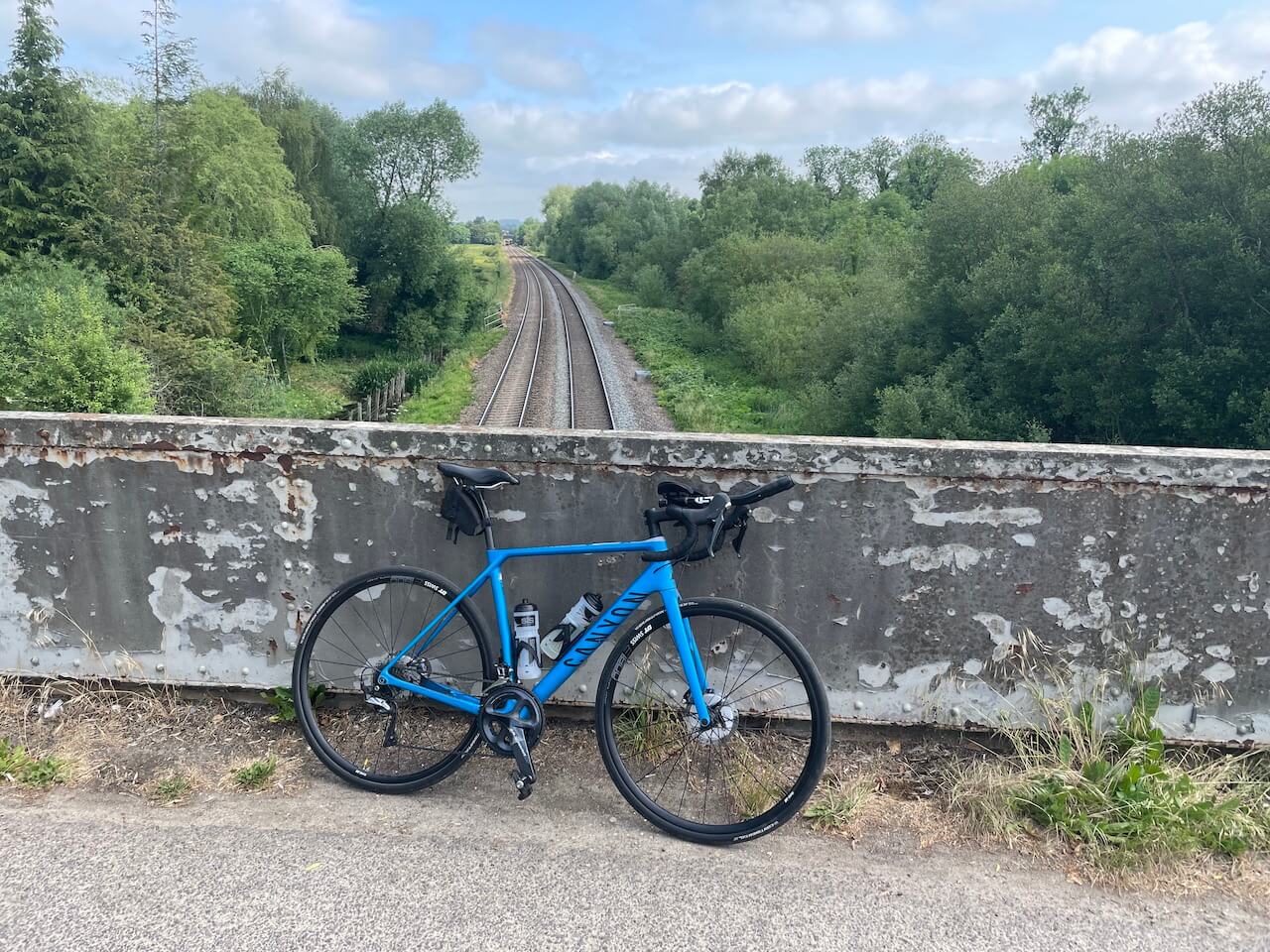
<p>So, this week I have had my final test week of the training plan. This means the Ironman is now only eight weeks away. A little nervous tension is building. The last time I attempted an Ironman in Hamburg, the weather got the better of me and I ended up in hospital. I just hope this doesn’t happen again. The test week didn’t help, with mixed results…</p> <p>First up was the bike fitness test. As with the other tests, this involved a warm-up, a 20-minute best effort, and then a cool-down. Last week’s training had been hard and had taken its toll on me. Although I had a day to recover, my legs still felt weak. I did the test and improved, but only by 5 watts, from 271 watts to 276 watts functional threshold power. Cardiovascularly, I felt fine, but my legs were heavy. Not disappointed, but not over the moon.</p> <p>After the bike test, I moved on to the run test. Again, this followed the same format. I had a 30-minute best effort section to make it count. I struggled with this, actually going backwards instead of forwards. I went from 6:41 min/mile to 6:48 min/mile. As you can imagine, I was disappointed. There were multiple reasons that could have caused the result: fatigue from the previous week, taking the test too early in the morning, or having no food beforehand… Whatever it was, it wasn’t good. I took it on the chin, but it made me think—this is how it could go on race day. If I have a bad day or don’t get things quite right—lack of sleep, the wrong food, poor race nutrition, or the weather being too hot—I could have a bad race. I need to be on top of my game and control everything I can.</p> <p>The last test was the swim: a 400-meter best effort followed by a 200-meter best effort. I completed the 400 meters in 6 minutes 22 seconds, an improvement of 21 seconds. For the 200 meters, I got 3 minutes 2 seconds, an improvement of 11 seconds. This was the best result of the three tests and left me on a high for the end of the week. I am so happy my swimming is progressing, especially considering the rough start to training with pools being shut due to COVID.</p> <p>With test week done, I have my final race next week—a half Ironman distance race in Cheshire, England. I am really looking forward to it.</p>
View PostCholmondeley Half

<p>My final race week has arrived. I was excited and nervous for this race. This would be my final race before the big day, to make sure I knew what I was doing. My ‘loose’ aim for this race was to finish just under 5 hours 30 minutes, with my personal best being 5:28.</p> <p>I had one dilemma this week—it wasn’t planned, and I had a 5-hour ride the day before the race. The training plan FAQs state that if this happens, you should only do half of the ride. I didn’t want to do that; I wanted to complete all my training as well as the race. So, I decided to adjust my training plan a little, doing the long ride on Thursday and pushing my day off to Saturday. This worked quite well…</p> <p>I planned an 84-mile ride for Thursday, including a few hills for good measure. What I didn’t realise was that the ‘few hills’ were significantly harder, steeper, and more frequent than I had planned for. This was a really tough ride. It took me 20 minutes longer to complete than expected. The hills were relentless, and I was shattered afterward. My legs were shot—not great news for the race in a couple of days.</p> <img src="/images/postPics/hilly_ride.jpg"> <p>Race day came, and I was nervous. The lady at check-in even noted that I looked nervous. Hopefully, I won’t be this tense in Tallinn for the real thing. The location for the day was beautiful. The race was based around Cholmondeley Castle, and the weather was ideal—not too hot, but not cold either. The swim was a 1.9-mile lake swim, the bike a 56-mile hilly route around Cholmondeley, and the half marathon run took us around the castle grounds.</p> <img src="/images/postPics/swim_half.jpg"> <p>I was aiming for an ambitious 30-minute swim. We started in a time-trial manner, every 10 seconds. There was no official placing for swim times; it was just a free-for-all. This didn’t bother me. With the gaps, there was plenty of room. Due to the size of the lake, we had to complete two laps of the swim course. If I started the second lap within 15 to 16 minutes, I would be happy. I started and took it fairly easy. I didn’t go as hard as my last Olympic-distance tri, but I was trying. There was no panicking this time; I took the first 400 meters or so easy. I started the second lap at 17 minutes—not great. I tried hard on the second lap, but to no avail. I didn’t hit my target time, finishing in 34 minutes 56 seconds. Not terrible, but slower than I’d hoped.</p> <img src="/images/postPics/bike_half.jpg"> <p>After a quick 3-minute transition, which included a 200-meter run, I was out on the bike. I knew the course was hilly, so I had prepared for a slower ride. Anything under 3 hours 30 minutes would make me happy. The route turned out to be three fairly quick laps around Cholmondeley. The first half of each lap was mostly downhill, while the last half included three fairly hard hills. These hills were short and sharp, so they didn’t affect my average speed too much. I completed each lap in around an hour. On the first two laps, I was head-to-head with another racer, and on the final lap, we had a bit of a chat about the race. I got the feeling he was really trying to beat me. This was all I needed to push myself. I really gave it my all on the last lap and finished the bike in 3 hours 2 minutes. I was over the moon.</p> <img src="/images/postPics/run_half.jpg"> <p>After another quick 1-minute transition, I was out on the run. Before setting a target time, I just wanted to find my rhythm and settle into the run. After a while, I was maintaining about 8 min/mile and realised I was on track to beat my PB. Feeling good, I stepped up the pace and finished the run in 1:43. I was thrilled with this result—it meant I had beaten my PB by 3 minutes, finishing the race in 5:25. Happy!</p>
View PostThe End is Near!

<p>So, I’m in my last week. All the training is done now, and I can’t change anything. This final week is a huge taper leading up to the race on Saturday. All the hard work has been done, and I just have to turn up at the start line and give it my absolute best. Having already completed one Ironman and attempted another, I know just how tough it is; I’m nervous.</p> <p>Over the past month, I’ve been experimenting with nutrition during the long brick sessions (bike then run). I have decided to go with more of a real-food plan. Previously, I alternated between an energy bar, an energy gel, and Cliff Blocks. This was fine, but on the long runs after the bike, I struggled with gastrointestinal issues and started to feel sick. So, I decided a change was in order.</p> <p>Now, I will alternate between an energy bar and a small bag containing a new potato, a Soreen slice, dates, and dried bananas. This has worked well for me. On the run, I will carry a CamelBak with energy drink and take water from the aid stations. I have found that dehydration hits me hard on the run, so I need to monitor it closely—to the point where I now set alarms to remind me to drink.</p> <p>I am hoping all these measures will serve me well on race day.</p> <p>My personal goal for this race is to finish in under 12 hours. To achieve this, I need to swim the 2.4 miles in under 1 hour 20 minutes, complete the 112-mile bike in under 6 hours 30 minutes, and run the 26.2 miles in under 4 hours. For me, this is a huge ask. My long runs have been slow, and I’m worried this could let me down on race day. Preventing dehydration will be a crucial part of my game plan.</p> <p>I am under no illusion—this race will be hard. Nervous tension is building. All I can do is my best…</p> <img src="/images/postPics/sun rise.jpg">
View PostNothing Worth Having Comes Easy

<p>The day has finally arrived and gone. I have completed my Ironman in Tallinn—all 140.6 miles of it. So, after all my training, how did I do?</p> <p>The day started at 03:30 in the morning with a healthy breakfast of toast and muesli with natural yogurt, rounded off with a cheeky coffee. We set off to catch the bus, which would take us to the start at 04:30. The race would start at 06:30, but before that, I had to make sure my bike was ready, giving it a final check and putting on my wetsuit.</p> <p>The weather forecast for the day was grim: 19 mph winds, heavy rain, and a chance of thunderstorms. A hard day had just been made harder.</p> <p>Before I knew it, it was time to race. The 2.4-mile swim was first. This is a long swim, and I’d learned from my practice races not to go out too quickly. Pacing is incredibly important in an Ironman. Go out too hard, too early, and the end of the race will be even more painful. I took it fairly easy all the way around the swim. I had a few close calls with people swimming into me, but on the whole, it was a steady swim. I came out of the water at 1:14:59. I had aimed for under 1:20:00, so that was the first job done.</p> <img src="/images/postPics/tallinn_swim.jpg"> <p>Into transition 1, and it had started to rain. My swim-to-bike gear change was pretty wet. It took what felt like an age to get my wetsuit and bike gear on. I managed it in 5:45 and was off on the bike.</p> <p>The bike was a 2-lap, 112-mile course. I felt strong on the first half of the ride and made pretty good time. I had a strong tailwind for the first half of each lap and a strong headwind on the second. The headwind was tough to deal with—Tallinn is very open in places, and with the 19 mph wind, I got blown about a lot. I stuck to my race plan, paced myself well, ate every half hour, and drank plenty of fluids. I had to stop for three toilet breaks on the ride, but I knew I needed the fluids for the run. I somehow managed to maintain a decent speed on the first lap, but on the second, the weather worsened. The bike route is normally fast, but on race day it was tough. I finally arrived at T2, finishing the bike in 6:05:31.</p> <img src="/images/postPics/tallinn_bike.jpg"> <p>I was in and out of T2 fairly quickly, but nature called again. This time it was a slightly longer break, but it gave me a moment to check the time. I was just over 7.5 hours into the race, leaving me 4.5 hours to complete the 26.2-mile marathon. Getting under 12 hours was a real possibility!</p> <p>The run was a 4-lap, 26.2-mile route around Tallinn city centre. I started the run far too quickly. I struggled to adjust my cadence from the bike to the run. I needed 10-minute miles to complete just over 4 hours 20 minutes for the marathon, which would bring me in under 12 hours. I was running 8 minutes 20 seconds per mile for most of the first lap. My legs finally adjusted, and I started running 10-minute miles, at least for a while.</p> <p>I got through the first two laps okay. I was hurting, but it was manageable. From past experience, I knew the third lap would be the hardest. I was mentally prepared for this—but that didn’t make it easy. I kept thinking about the 12-hour goal and constantly fought the urge to stop. This lap was tough, but seeing family and friends supporting me helped a lot. My pace dropped to between 11 and 12-minute miles, but because of the fast start, I was still on course.</p> <p>At the start of the final lap, I had 1 hour 15 minutes to get under 12 hours—1 hour 15 minutes to complete 6.5 miles. I had fantasized about being in this position, thinking it would be a dream, but in reality, I struggled to figure out how I would do it. My legs were shot, I was in pain, and I was slowly checking out mentally. I stayed as strong as I could—I had to. It is unlikely I’ll ever do this again, so it was now or never.</p> <p>I got my head down and pushed as hard as I could. I was so happy that I had paced the swim and bike well—it now gave me what I needed, just. The last lap was a blur. I gave it everything. Halfway through the lap, the timings were tight, very tight. I reached the last mile and a half with just under 20 minutes to go. Easy, right? Not so much. My head was down, and I was running as fast as my body would allow…</p> <img src="/images/postPics/tallinn_run.jpg"> <p>Emotions were high as I crossed the finish line. I had given it absolutely everything. There was nothing left. I didn’t know immediately if I had done it. I was in a daze and didn’t really know what was happening. Then I heard my sister shouting that I had done it. I checked my watch, and it read 11:58:35. Wow! I had done it. The effort was worth it!</p> <p>This race was hard, and until you do it, it’s difficult to understand just how hard. The emotion and feeling of crossing that finish line are indescribable. It took me three attempts to succeed. I’m just happy—this part of my life goals has now finally been ticked off.</p> <img src="/images/postPics/tallinn_cert.jpg"> <strong style="text-align: center; color: red;">Nothing worth having comes easy!</strong>
View Post